


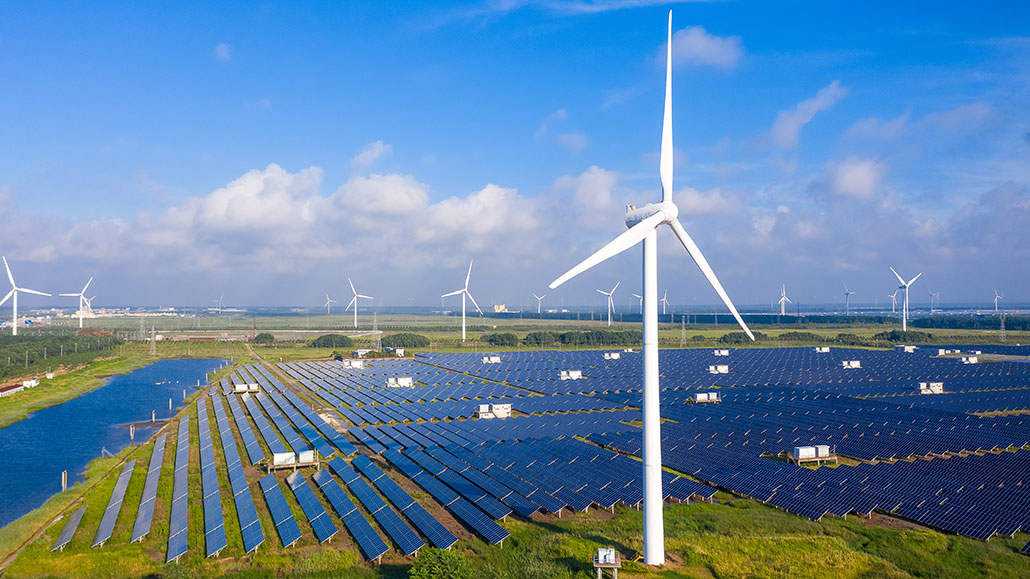
The global energy landscape is undergoing a monumental, irreversible transformation. The urgent imperative to combat climate change, coupled with remarkable technological advancements, has propelled green energy from a niche alternative to the dominant force shaping our future. This isn’t just about shifting power sources; it’s a profound re-engineering of how we generate, store, and consume energy, promising a future powered by clean, sustainable, and increasingly affordable resources. The “ascent” signifies its rapid rise to prominence, while “powers future” underscores its fundamental role in creating a more resilient, environmentally responsible, and economically vibrant world for generations to come. This article delves deep into the multifaceted ways green energy is accelerating this transformation, exploring its foundational principles, revolutionary applications across diverse sectors, and the significant challenges and profound opportunities it presents for a planet truly powered by sustainable sources.
The Clean Energy Core Principles and Technologies
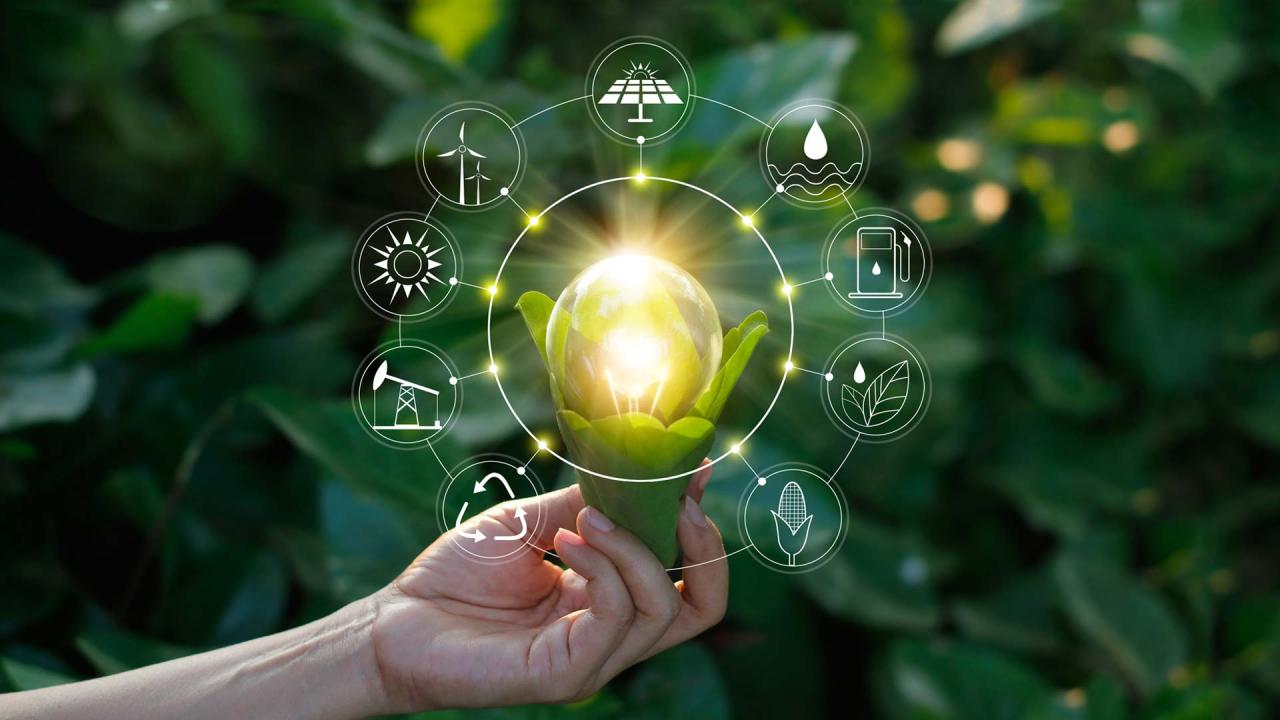
To truly grasp how green energy’s ascent is powering our future, it’s essential to understand the core principles that define it and the key technologies driving its unprecedented growth. Green energy, broadly, encompasses renewable energy sources that are naturally replenished and environmentally friendly.
A. Renewable Sources: Nature’s Abundance: The fundamental principle of green energy is its reliance on sources that are virtually inexhaustible and naturally replenishable, unlike finite fossil fuels.
* Solar Energy: Harnessing sunlight directly through photovoltaic (PV) panels (converting light into electricity) or concentrated solar power (CSP) systems (using mirrors to focus sunlight and generate heat for electricity).
* Wind Energy: Converting kinetic energy from wind into electricity using wind turbines, both onshore and increasingly offshore, where winds are stronger and more consistent.
* Hydropower: Generating electricity from the movement of water, either large-scale (dams) or smaller, run-of-river projects.
* Geothermal Energy: Tapping into the Earth’s internal heat to generate electricity or provide direct heating/cooling.
* Biomass Energy: Deriving energy from organic matter (plants, animal waste), often used for heat, electricity, or biofuels, though its “green” status depends on sustainable sourcing.
B. Decentralization: Localized Power Generation: While large-scale green energy farms exist, a significant trend is decentralized energy generation. This involves producing power closer to where it’s consumed, such as rooftop solar panels on homes and businesses, or community wind projects. This enhances grid resilience and reduces transmission losses.
C. Energy Storage: Bridging the Intermittency Gap: A key challenge for many renewables (like solar and wind) is their intermittency – they don’t produce power consistently. Advanced energy storage solutions are crucial for overcoming this:
* Batteries: Lithium-ion batteries (currently dominant), but rapid development in solid-state batteries, flow batteries, and other chemistries for grid-scale storage, electric vehicles, and home energy systems.
* Pumped Hydro Storage: Using excess renewable energy to pump water uphill, then releasing it to generate electricity when needed.
* Hydrogen Energy Storage: Converting excess renewable electricity into green hydrogen via electrolysis, which can then be stored and used as fuel or to generate electricity later.
* Thermal Energy Storage: Storing heat from solar or industrial processes for later use.
D. Smart Grid Integration: The Intelligent Network: Integrating diverse, distributed, and often intermittent renewable sources into the existing electricity grid requires intelligence. Smart grids use advanced sensors, communication technologies, and AI to:
* Monitor and Manage Energy Flow: In real-time, optimizing distribution and balancing supply and demand.
* Integrate Renewables: Seamlessly incorporating variable renewable energy into the grid.
* Enable Demand-Side Management: Allowing consumers to adjust their energy consumption based on price signals or grid conditions.
* Enhance Grid Resilience: Automatically detect and respond to outages, ensuring more reliable power delivery.
E. Energy Efficiency and Conservation: The First Fuel: Before generating more energy, the most sustainable approach is to use less. Green energy initiatives heavily emphasize:
* Energy-Efficient Technologies: LED lighting, smart appliances, advanced HVAC systems, and building insulation.
* Smart Home/Building Management: IoT devices and AI optimize energy consumption in homes and commercial buildings.
* Industrial Process Optimization: Redesigning manufacturing processes to reduce energy input and waste.
F. Electrification of Sectors: Broadening the Scope: To fully decarbonize, the power sector’s greening must extend to other major emitters.
* Electric Vehicles (EVs): Shifting transportation from fossil fuels to electricity.
* Electrification of Industry: Using clean electricity instead of fossil fuels for industrial heat and processes.
* Electric Heating/Cooling: Utilizing heat pumps and other electric solutions for residential and commercial heating and cooling.
Impact Across Diverse Sectors
Green energy’s ascent is already having a profound and tangible impact across a multitude of industries and everyday life, demonstrating its capacity to drive sustainable development and economic growth.
A. Utility Scale Power Generation: Dominating the Grid:
* Record Renewable Deployment: Global renewable energy capacity additions are consistently breaking records, rapidly displacing fossil fuels in electricity grids worldwide.
* Cost Competitiveness: Solar PV and wind power are now the cheapest forms of new electricity generation in many parts of the world, making them economically viable without subsidies.
* Grid Modernization: Utilities are investing heavily in smart grid technologies, energy storage, and transmission upgrades to accommodate the increasing share of renewables.
* Phase-Out of Coal and Gas: Many nations and utility companies are setting aggressive targets for phasing out coal and even natural gas power plants, driven by economic and environmental factors.
B. Transportation Sector Decarbonization: Electric Mobility Revolution:
* Electric Vehicle (EV) Adoption: The global market for EVs (passenger cars, buses, trucks, two-wheelers) is experiencing exponential growth, driven by technological advancements (battery range, charging speed), government incentives, and consumer demand.
* Charging Infrastructure Expansion: Rapid expansion of public and private EV charging networks, including fast-charging and wireless charging technologies.
* Green Hydrogen for Heavy Transport: Green hydrogen is emerging as a key solution for decarbonizing hard-to-electrify sectors like heavy-duty trucking, shipping, and aviation, with pilot projects and infrastructure development underway.
* Sustainable Aviation Fuels (SAFs): Research and development into biofuels and synthetic fuels derived from renewable sources for aviation, drastically reducing aviation’s carbon footprint.
C. Industrial Sector Transformation: Green Processes and Materials: Industries are leveraging green energy to decarbonize production and create sustainable products.
* Green Steel and Cement: Using green hydrogen and renewable electricity for steel and cement production, two of the most carbon-intensive industries, significantly reducing their emissions.
* Electrification of Industrial Heat: Replacing fossil fuel-fired boilers with electric alternatives powered by renewables.
* Carbon Capture, Utilization, and Storage (CCUS): While not purely green energy, CCUS technologies are being developed to capture emissions from industrial processes that are hard to electrify, often powered by renewable energy.
* Sustainable Manufacturing: Shifting to processes that minimize energy and water consumption, reduce waste, and utilize renewable energy throughout the production lifecycle.
D. Residential and Commercial Buildings: Smart and Energy-Efficient: Buildings are becoming active participants in the green energy transition.
* Rooftop Solar and Home Battery Storage: Increasing adoption of residential solar PV combined with battery storage allows homeowners to generate and store their own clean energy, reducing reliance on the grid and providing resilience during outages.
* Smart Home Energy Management: IoT devices, smart thermostats, and AI optimize heating, cooling, lighting, and appliance usage to minimize energy consumption and costs.
* Green Building Certifications: Growing emphasis on building standards that integrate energy efficiency, renewable energy, and sustainable materials in design and construction (e.g., LEED, BREEAM).
E. Agriculture: Sustainable Farming and Renewable Integration:
* Solar-Powered Irrigation and Equipment: Using solar energy for pumps and other agricultural machinery, especially in remote areas, reduces reliance on diesel and grid electricity.
* Agrivoltaics: Integrating solar panels over farmland, allowing for both crop production and electricity generation on the same land, optimizing land use.
* Biogas from Agricultural Waste: Converting animal manure and crop residues into biogas for energy, simultaneously managing waste and reducing methane emissions.
F. Digital Infrastructure (Data Centers): Greening the Cloud: The massive energy consumption of data centers is being addressed by green energy.
* Renewable-Powered Data Centers: Major tech companies are increasingly powering their data centers entirely with renewable energy sources, often through direct Power Purchase Agreements (PPAs) with wind or solar farms.
* Energy-Efficient Cooling: Innovations in cooling technologies for data centers (e.g., liquid cooling, free cooling) further reduce energy consumption.
Societal and Economic Transformation
Green energy’s ascent is not just about technology; it’s catalyzing profound societal and economic transformations, creating new job markets, enhancing geopolitical stability, and improving public health.
A. Economic Growth and Green Job Creation: The rapidly expanding green energy sector is a significant engine for economic growth and job creation. This includes roles in manufacturing renewable energy components, installation, maintenance, project development, research and development, and various supporting services, creating millions of new, future-proof jobs globally.
B. Energy Independence and Geopolitical Stability: Reliance on volatile fossil fuel markets leads to geopolitical instability. Green energy, by enabling energy independence through diverse domestic sources, reduces national vulnerability to price shocks and supply disruptions, enhancing national security.
C. Improved Public Health: Shifting from fossil fuels to renewables significantly reduces air pollution (particulates, NOx, SOx) associated with burning coal and oil. This leads to substantial improvements in public health outcomes, reducing respiratory and cardiovascular diseases, and lowering healthcare costs.
D. Reduced Climate Change Impacts: The most direct and critical impact is on climate change mitigation. By drastically reducing greenhouse gas emissions from the energy sector, green energy is essential for limiting global warming, preventing extreme weather events, and protecting ecosystems.
E. Decentralization and Energy Access: Green energy technologies, particularly small-scale solar and microgrids, can provide energy access to remote and off-grid communities in developing nations, empowering economic development and improving quality of life for billions who currently lack reliable electricity.
F. Innovation Ecosystem: The rapid growth in green energy fuels a vibrant innovation ecosystem. Investment in R&D leads to breakthroughs in materials science, AI, energy storage, and grid management, creating a positive feedback loop of technological advancement.
G. Consumer Empowerment: Technologies like rooftop solar and home batteries empower consumers to become “prosumers,” generating their own electricity and having greater control over their energy consumption and costs.
Overcoming Hurdles and Accelerating the Transition
Despite its impressive ascent, the full realization of a world powered entirely by green energy faces significant hurdles. Overcoming these challenges will be crucial for accelerating the transition and ensuring its long-term success.
A. Grid Modernization and Infrastructure Investment: Integrating a high percentage of variable renewable energy requires massive investment in smart grid infrastructure, including upgraded transmission lines, digital controls, and sophisticated energy management systems to maintain stability and reliability.
B. Energy Storage Scalability and Cost Reduction: While battery costs are falling, achieving the necessary scale and further cost reductions for long-duration, grid-scale energy storage remains a challenge to completely balance intermittent renewables. Research into diverse storage chemistries and technologies is ongoing.
C. Permitting and Siting Challenges: Deploying large-scale renewable energy projects (wind farms, solar arrays) often faces permitting hurdles, land use conflicts, and public opposition. Streamlining regulatory processes and engaging local communities are critical for faster deployment.
D. Rare Earth Minerals and Supply Chains: The production of some green energy technologies (e.g., certain EV batteries, wind turbine magnets) relies on rare earth minerals, raising concerns about supply chain security, environmental impact of mining, and ethical sourcing. Developing alternative materials and recycling processes is crucial.
E. Intermittency and Reliability: Ensuring continuous, reliable power supply when the sun isn’t shining or the wind isn’t blowing remains a technical challenge. This requires a mix of diverse renewable sources, advanced storage, smart grid management, and potentially backup power solutions (e.g., green hydrogen or existing flexible gas plants until fully replaced).
F. Just Transition for Fossil Fuel Workers: The decline of the fossil fuel industry requires careful planning for a just transition for workers in those sectors, providing retraining, job placement assistance, and economic development opportunities in green energy industries to ensure social equity.
G. International Cooperation and Policy Harmonization: Achieving global decarbonization requires significant international cooperation, including technology transfer to developing nations, harmonized carbon pricing mechanisms, and global agreements on emissions reductions.
H. Cybersecurity of Energy Infrastructure: As energy grids become more digitized and interconnected, they become more vulnerable to cyberattacks. Protecting smart grids and renewable energy assets from disruption is a critical cybersecurity challenge.
I. Behavioral Change and Consumer Adoption: While technology is advancing, influencing widespread behavioral change towards energy efficiency, responsible consumption, and adoption of green energy solutions (e.g., heat pumps, EVs) remains a societal challenge that requires education and incentives.
J. Research and Development Investment: Continued, substantial investment in R&D is essential to push the boundaries of green energy efficiency, cost reduction, new storage solutions, carbon capture technologies, and novel energy sources (e.g., advanced geothermal, fusion power).
Conclusion
Green energy’s ascent is unequivocally powering our future, driving a global revolution that extends far beyond mere technological change. From the dramatic cost reductions in solar and wind to the transformative potential of advanced energy storage and smart grids, these innovations are building a clean, resilient, and economically vibrant energy system. While significant challenges related to infrastructure modernization, resource sourcing, and workforce transition remain, the undeniable benefits of improved public health, enhanced energy independence, and profound climate change mitigation make this transition an urgent imperative. By embracing strategic investment, fostering global collaboration, prioritizing continuous innovation, and engaging in supportive policy-making, we can collectively accelerate this vital shift. The future is being electrified, decarbonized, and powered by the inexorable ascent of green energy, promising a brighter, more sustainable world for all.



Discussion about this post